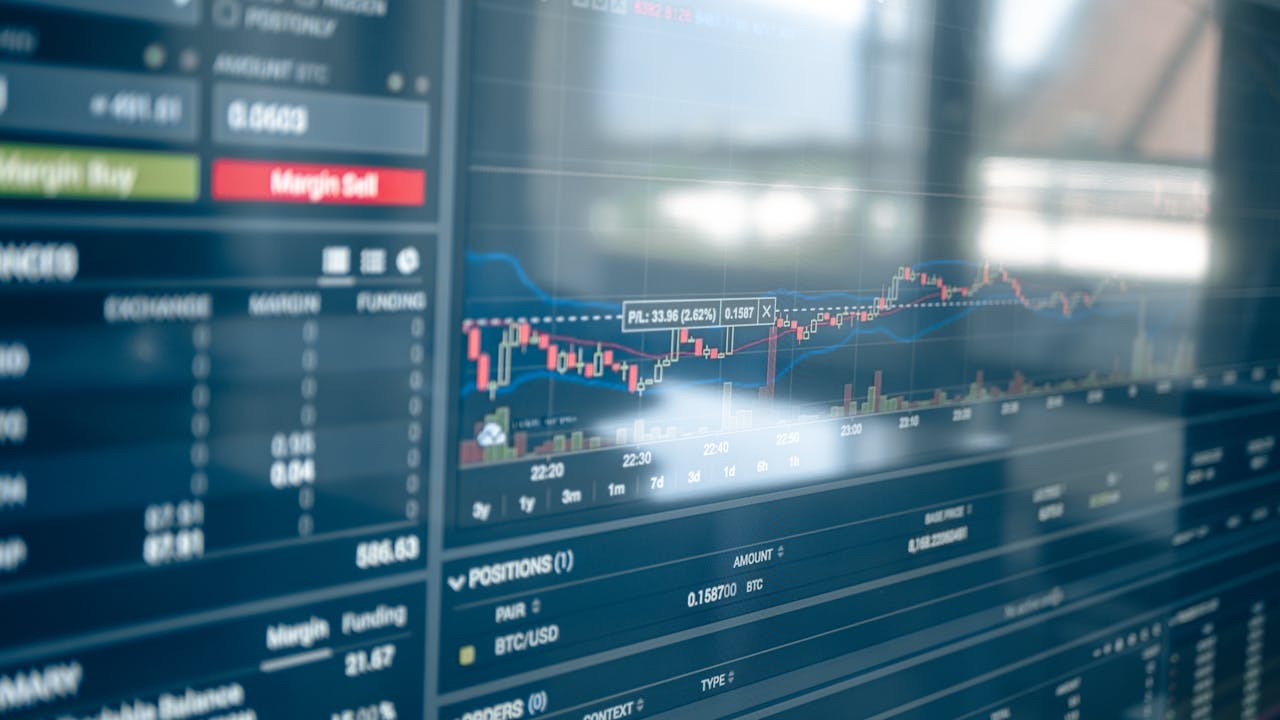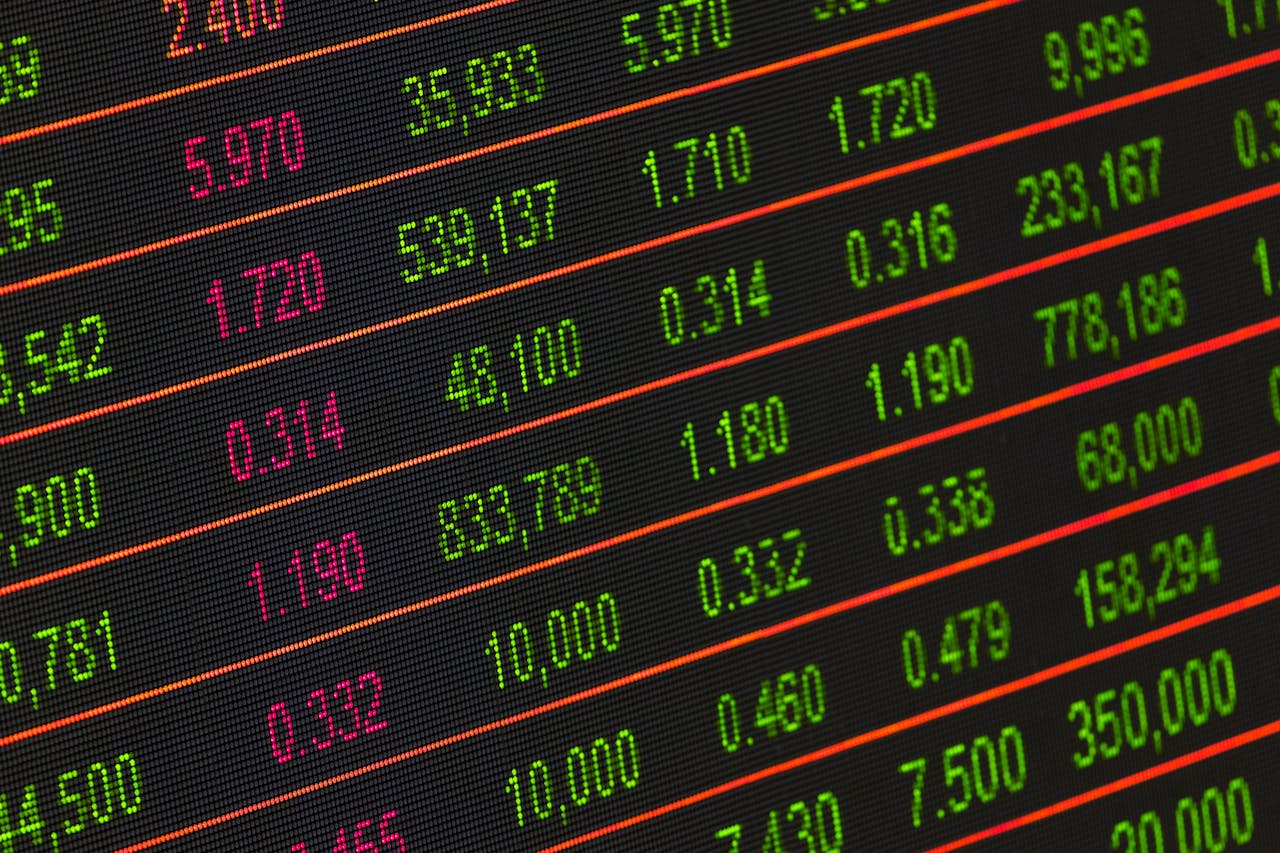
Market volatility refers to the rate at which the price of an asset increases or decreases over a period of time. High volatility means that prices are moving quickly and unpredictably, while low volatility indicates more stable and gradual price movements. Volatility is a natural part of financial markets and can vary depending on economic events, news, and market sentiment.
Traders often pay close attention to volatility because it directly affects trading opportunities and risks. During periods of high volatility, there may be more chances to make profits due to larger price swings. However, this also increases the risk of losses, especially for inexperienced traders who may not be prepared for sudden market changes.
To manage volatility effectively, traders often adjust their strategies by using tools such as stop-loss orders, smaller position sizes, and careful timing. Understanding when the market is volatile and adapting accordingly can help traders protect their capital while still taking advantage of potential opportunities.